
Care and Resonance

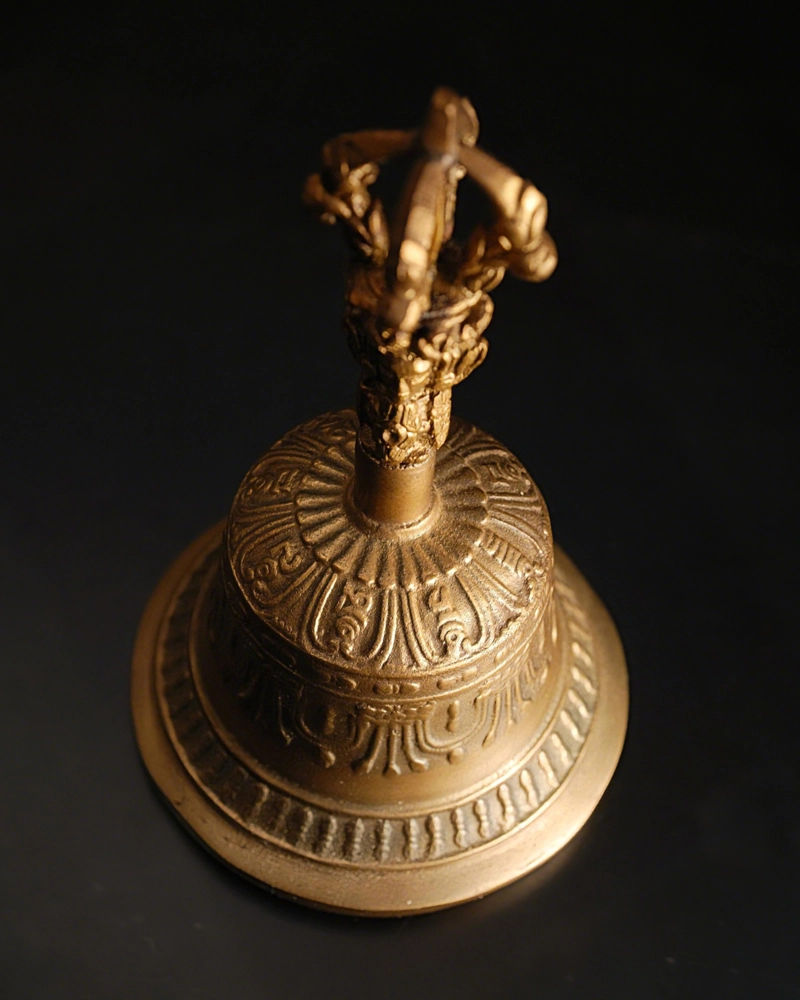
The Energetic Lifespan of a Consecrated Object: Care, Resonance, and Respectful Retirement
In Daoist understanding, a consecrated object is more than a crafted form. It is carried, kept, and used within a relationship of intention, protection, and respect. Proper care helps preserve both its material condition and its ritual integrity.
To keep a consecrated object is not simply to own a carved piece of wood, stone, or metal. In Daoist tradition, such objects are understood as companions of intention: they are worn, carried, or placed not only for beauty, but for protection, grounding, and spiritual focus. In this sense, a ritual object enters into a quiet relationship with the person who keeps it.
Because of this, care is not only practical, but also part of the object’s proper use. A consecrated piece should be treated with respect, kept clean, and protected from conditions that may disturb either its material form or its symbolic role.
Daily Care
To preserve both condition and integrity, avoid exposing the object to extreme heat, prolonged moisture, and chemically harsh environments. These conditions may damage the material itself, especially wood, natural cord, metal finishes, or carved surfaces.
When not in use, the piece should be stored in its dedicated silk pouch or another clean, dry, and stable place. This helps protect it from dust, abrasion, and unnecessary handling. More importantly, it sets the object apart from ordinary clutter and preserves the sense of intention with which it was prepared.
It is also best to avoid placing a consecrated object in spaces of heavy disorder. In traditional understanding, the environment around an object matters. A clean and settled setting supports clarity, reverence, and continuity of use.
Resonance and Wear
Over time, a consecrated object may begin to show signs of wear. This is not always a flaw. In many cases, gentle wear reflects continued contact, use, and presence in daily life. The surface may soften, the texture may change, and the object may take on the marks of long companionship.
At the same time, serious damage should be understood differently. If an object cracks, breaks, or becomes structurally compromised, it may no longer be suitable for continued use in the same way. Within traditional belief, such damage is sometimes understood not merely as material failure, but as the completion of a protective role.
When the Object Has Fulfilled Its Role
If a consecrated object is significantly damaged, it is often appropriate to retire it with respect rather than continue wearing or displaying it casually. In this understanding, the object has already served its purpose. It has accompanied your path, borne your intention, and, in symbolic terms, completed its work.
For this reason, retirement should be done mindfully. The object may be wrapped and set aside, or returned to the earth in a respectful manner where appropriate. What matters most is not display, but gratitude and closure.
After this, it may be time to seek a new alignment: not as a replacement in a merely material sense, but as a renewed companion for the next stage of your path and practice.
A Relationship of Respect
The life of a consecrated object is not measured only by durability. It is measured by use, care, and the relationship it holds within ritual and personal life. Treated properly, such a piece remains more than an ornament. It becomes part of a disciplined and meaningful pattern of living.
For this reason, care is itself a form of respect. To protect the object is also to honor the intention with which it was made, consecrated, and received.
Seek guidance through the sigil.